

Table of Contents
Stewart Sonya Habboub was a Lebanese doctor who opened the doors to medical work for women in Lebanon. She studied medicine in America and returned to Beirut where she worked with patients, particularly women who could not afford to see a doctor.
Habboub was born in Beirut in 1901, and went on to pursue her studies when most people felt that a woman should not study or work outside the home. She was pressured in society but remained undeterred in her spirit of becoming a doctor. She graduated from medical school and set up her own clinic in Beirut in 1933, serving her patients for many years.
She contributed to medicine, much more than her work. She was an advocate for charitable causes, for women’s access to health care, and promoted girls’ education. She was awarded the Lebanese government’s Health Medal of Merit in 1982. Google later honored her on June 10, 2022—her medical graduation day—in tribute to her life.
Dr. Saniya Habboub: Quick Facts
| Detail | Information |
| Full Name | Dr. Saniya Habboub |
| Birth Year | 1901 |
| Birthplace | Beirut, Lebanon |
| Nationality | Lebanese |
| Profession | Physician |
| Medical Graduation | 1931 |
| Medical Specialization | Obstetrics and women’s health |
| Clinic Location | Bab Idriss, Beirut |
| Clinic Established | 1933 |
| Husband | Muhammad al-Naqqash |
| Children | Saniya Ellen and Iffat Elizabeth |
| Major Award | Health Medal of Merit, 1982 |
| Google Doodle | June 10, 2022 |
| Year of Death | 1983 |
| Age at Death | 82 |
Who Was Dr. Saniya Habboub?
Dr. Saniya Habboub is a pioneering physician and researcher of Lebanese origin who studied medicine abroad and established an independent medical practice in Beirut. She specialized in obstetrics and women’s health, providing general medical care as well.

Her importance lies in a career that could not have been pursued by most women of that time because of the various challenges and limitations they had to work around. As a qualified doctor and practitioner running her own clinic, Habboub was breaking into a world that was, and is, distinctively male-centric.
Through her education, she also helped others if they needed it. It is described how she treated people in Baden who belonged to poorer households without charging any fees and concluded home visits. Her demonstration proved effective and helped enhance medical knowledge not only for her own people but the community at large.
Early Life and Family Background
Childhood in Beirut, Lebanon
Saniya Habboub was born in 1901 in Beirut, Lebanon. She was the second of five children who placed great importance on education and intellectual growth in their family.
She was the daughter of a successful business owner, Mustapha Habboub, a Lebanese leather merchant. Her mother, Adila Al-Jazair, was Turkish. Her mother was not educated but had a belief that girls should have the opportunity to read, learn, rn and develop their skills.
The belief had an impressionable effect on Saniya. The members of her family were her supporters with their education despite the objection of people around her who thought that a girl studying beyond the level they expected her to study.
Her biggest education was her family environment; she had parents willing to go with her. They encouraged her to go on with her studies, even when conditions were difficult.
Her School Years and a Difficult Personal Loss
Habboub went to school at the American School in Beirut. Her schooling prepared her to continue important studies, but she had experienced life challenges as well.
When she was 14 years old, she got sick with Typhoid fever and lay sick for a long time. Her younger sister Afifeh too fell sick and passed away. Habboub survived, but because of this illness left phlebitis in her left leg which hampered her ability to move throughout her life.
She was not deterred and went back to school. She continued with her recovery and education in an education-centered life of persistence. Nor did physical convalescence, or the expectations aptly natural to women, stop her from entering upon her medical career.
Her First Marriage
Habboub wed at 16 (doyled) years old to a doctor and then relocated from Beirut to Damascus. Soon the marriage collapsed, and she came back to Beirut about two years later.
She then attended the American School for Girls when she got home. It was a highly critical one, due to its allowing her to think beyond the narrow definition of women’s roles.
Her early marriage did not put an end to her ambitions. Rather, she returned to school and then to higher education, all to further the aspiration she had to become a doctor.
Dr. Saniya Habboub’s Educational Journey
Studying at the American Junior College for Women
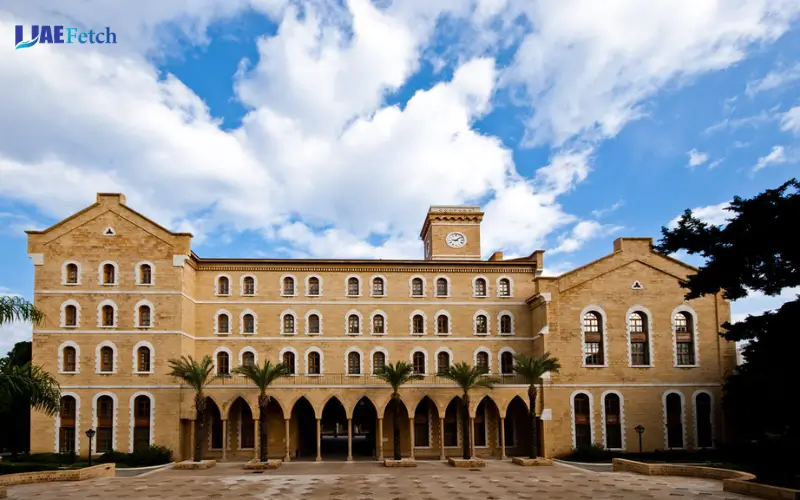
Habboub was one of the students at the American Junior College for Women in Beirut in 1924. It provided women the chance to study further upon completion of secondary school.
She was one of the first three graduates of the college when she completed her studies in 1926. This was an important milestone on her path towards medicine.
The college played an important role in the development of women’s higher education in Lebanon. It offered a route to higher education for Habboub in a period of time in which it was scarce for women.
This graduation was another sign that women too could excel academically and pursue professional careers.
Her Experience at the American University of Beirut
Habboub took her finals at the American Junior College for Women and then pursued further studies at the American University of Beirut (AUB). She hoped to join medical education, but ultimately, to treat women in the community.
But at university, with men and women sitting side by side, she came into contact with a heavy social backlash. There were some who didn’t like her going to college along with boys. Her life was reported to be clouded with public insults and hostility towards her and her family.
Her parents helped her out. In this sense, their stand was important, as she could continue on with her plans even if there was criticism.
That experience was also instrumental in helping to formulate her next move. Rather than give up her medical ambitions, Habboub looked for a place where she could complete her medical training. She determined to further her education in the United States.
Medical Education in the United States
Habboub went to the United States in August of 1926. Courage, independence, and a desire to get out of Beirut’s familiar surroundings were required for studying abroad.
She studied medicine in the U.S. and graduated in 1931. According to the sources, she also attended medical training in obstetrics and gynecology, which deals with women’s reproductive health, pregnancy, and childbirth.
Some of the accounts of her training institutions vary. It is listed in the Lebanese American University history that she went to Western College in Cincinnati, Ohio, to obtain her medical degree and then completed two years of obstetrics specialization at the Women’s Medical College in Philadelphia, Pennsylvania. Google’s biography credits her with her medical degree in Gynecology and Obstetrics from the Women’s Medical College in Pennsylvania. She graduated in 1931 and specialized in women’s health, as both accounts agree.
In addition, Habboub found means of supporting herself. Her father gave her a letter of credit for her trip, but she apparently didn’t use it. Rather, she chose to make an income by teaching embroidery and stitching.
It allows one to see more clearly in regard to her independence. Her education relied on her family at the same time as she aimed to satisfy her very own needs while she was studying far from her family.
Her graduation on June 10th, 1931, as a medical graduate was another major milestone. She was one of the first Lebanese women to be studying medicine abroad and was willing to apply this knowledge in her homeland.
Challenges Dr. Saniya Habboub Faced as a Woman Studying Medicine
It is important to consider Habboub’s accomplishments in their broader context — the obstacles she overcame. Many at the time thought it was best for women to get married at a young age and become homemakers. A woman who wants to go to University, or to work in a career, might be condemned by her community.
She went to study at the American University of Beirut, and that angered the public. She also went to study medicine abroad—from her home to an overseas place.
She had her problems too. Studying abroad meant living by herself, getting used to living in a different place than home, and working herself to an extreme schedule of studies in medicine. She was versatile and chose to make money by embroidery and stitching.
This led to another challenge for her in Lebanon. At first, some thoughtshe wase a midwife in the traditional, not medical, sense of the term. In addition, she was also expected to work in tandem with a male doctor rather than have a solo practice.
Habboub didn’t let these attitudes dictate the direction that her career would take. She opened her own clinic and gained trust through her work. Patients grew to appreciate her medical talents over time, and she began to inspire other women to attend school and get jobs.
Dr. Saniya Habboub’s Medical Career in Beirut
Returning to Lebanon in 1933
Upon completion of her medical training and residency,y Habboub moved back to Beirut in 1933. She wanted to apply her knowledge to help the people in her native country, especially women seeking medical assistance.
Then, it was a significant chapter in her career when she returned. Instead of working outside of town, she decided to start her practice in the town where she grew up. She was an advocate for medical education that was hard for women from Lebanon to obtain then; the medical training she introduced was.
Her specialties were obstetrics and general medicine. Her work also provided an alternative for medical advice and treatment for women—particularly when cultural norms may have made it challenging for certain women to access those of the medical profession who were of the opposite gender.
Opening Her Own Clinic in Bab Idriss
Habboub started a medical practice in Bab Idriss, a neighborhood in Beirut. She was employed in obstetrics and general medicine, and decided to open the clinic on her own.
This was against the tradition of women doctors working under a male doctor. With this establishment, Habboub demonstrated that one could take care of the patients as well as run a professional medical service as a woman.
Initially, she was mistaken for a midwife by some patients. The more they saw her and had contact with her, the more people trusted her. Patients have been known to travel from the Basta area and other members of the community.
As she continued to work, she learned that people had to trust what she had to offer, and that it had to be based on service, knowledge, and experience. She wasn’t an opinion seeker before she started her practice and was respected for her treatment of patients.
Free Medical Care for Women
An essential element of Habboub’s career has been the advocacy for women without the means for medical treatment. It is reported in history that for almost half a century she had treated for free women who had fallen on hard times.
She also visited their homes, serving those who were unable to reach her clinic easily. It was important in a time before when medical services may be restricted by utilizing resources, transport and social designs.
Her work was not restricted to childbirth and issues of reproductive health. She also provided general care and treatment of the body and resided in the home with the medical staff, where all the children were taken care of and received assistance and care with various illnesses.
Habboub provided complimentary treatment and home visits so that people could get care they may not have been able to get otherwise. Her career demonstrated the integration of knowledge and public service for a doctor.
Humanitarian Work and Contributions to Lebanese Society
Habboub’s dedication to Lebanon was more than measured in her clinic. She was involved in charitable and community groups which helped those in need.
Work With the Lebanese Red Cross
Historical records show that Habboub was a founding member ofthe Lebanese Red Cross Association. It became an important player in humanitarian and health assistance to Lebanon.
Her involvement was part of the values that influenced her medical practice: Help People, Support Health Services, Respond to Community Needs.
Her involvement in this way with the organization also demonstrates that her only clinic was not her primary concern. She started to participate in broader work to support and enhance care for others.

Supporting Charitable Organizations
Habboub also worked with women, children, and vulnerable groups, supporting organisations. She left her reference with the Muslim Orphanage and Young Women’s Muslim Association, Maqassed Hospital.
Through these roles,s she found ways to participate in life in the community beyond the practice of medicine. Giving women and children an organization to serve them was of great significance at a time when many families were under-resourced and lacked professional support.
She also worked as a school doctor at the American School for Girls, where she had been a student. While working in her former school, she felt a sense of educational connection with her service to the students.
Her use of medical, charitable opportunities demonstrates she felt the responsibility to the community was bigger than just healthcare.
Dr. Saniya Habboub’s Personal Life and Family
Habboub himself had two marriages. She was married the first time at age 16, and divorced some two years later. She came back to Beirut, where she still studied, and started to prepare herself to become a doctor.
She married the journalist Muhammad al-Naqqash in 1937 after having met him when he had interviewed her. He was 12 years his junior, but stood in contrast to the social norms at the time.
They were blessed with two daughters, Saniya Ellen and Iffat Elizabeth. With the challenges of family life, Habboub maintained her medical practice and community service activities.
Her life challenges the notion of a woman having a choice between the family and a career. She raised children without stopping and worked with patients and participated in various charities. Her narrative also illustrates the differences between personal decisions and expectations of women in early 20th-century Lebanon, and their professional aspirations.
Major Achievements, Awards and Recognition
Dr. Saniya Habboub’s accomplishments didn’t end with earning his medical degree. Her career helped girls who wanted to continue their education to know that women were also welcome in medicine.
She was a very successful student who succeeded in the following:
- One of the first Lebanese women to go to the USA to study medicine.
- He graduated from medical school in 1931 and was trained in women’s health.
- Starting an independent medical practice in Bab Idriss, Beirut, in 1933.
- For approximately fifty years, free medical care was given to less fortunate women.
- Participating in the establishment of the ‘Lebanese Red Cross Association ‘.
- Charitable work for charity and as a school doctor.
- Involved in founding a Scholarship named after her in the future.
In 1982, she was given the Medals of Merit by the Lebanese government for her medical service rendered, which spanned approximately 50 years. There was also a street dedicated in her name in Beirut. The types of recognition were an everlasting legacy of her work in healthcare and public service.
The Scholarship Established in Her Name
Habboub expressed her thanks to the institution where she got her medical education, giving it a scholarship in her memory for students in the future. This act also helped to make her education worthwhile apart from her profession.
Scholarships may be provided to enable deserving students to pursue further studies in their areas of interest when funds are limited. In Habboub’s case, it also linked her success to the next generation of medical professionals.
The motivation behind a decision that was indicative of a larger acceptance of education as a means to better lives. As a student abroad, she had to work to support herself and received her parents’ help. She opened doors and gave people the opportunity to do what they wished to do by encouraging students in the future.
Google Doodle Honoring Dr. Saniya Habboub
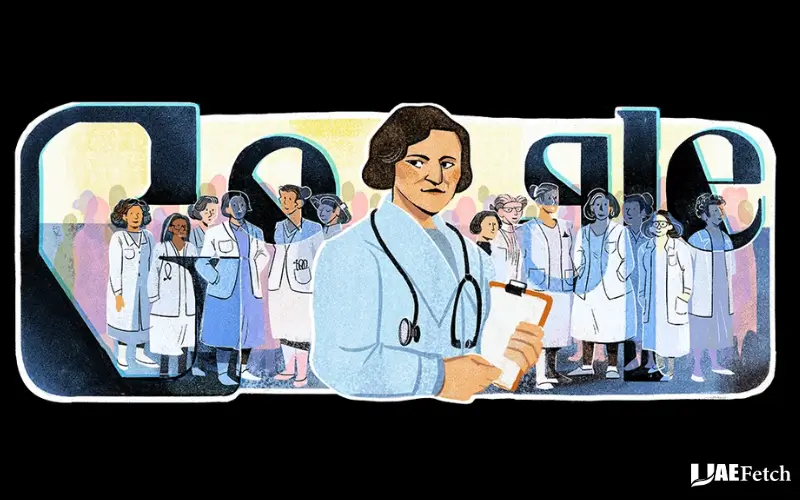
Google celebrates Dr. Saniya Habboub on June 10, 2022, with a doodle. The date marks her 1931 medical graduation from the United States.
The Doodle drew attention to her story and her role in the history of women in medicine. Google calls her one of the first female doctors to study medicine abroad from Lebanon.
The coming back to Beirut was also a moment for her to highlight, her private clinic and the promotion of education for girls and women. Not only was it a medical qualification, but also a reflection of her impact on the lives of her patients.
The Google Doodle served as a means to raise awareness about a historical figure whose contributions are worthy of recognition beyond the scope of just one accomplishment. Her life brings together the themes of women’s education, medical treatment, independence, and community service.
Dr. Saniya Habboub’s Legacy and Influence
Dr. Saniya Habboub passed away in September 1983 at the age of 82. By the time of her death, she had devoted years to helping patients, serving the good of her community, and representing women through education and careers.
There are three ways of perceiving her legacy.
One of her achievements was to make women’s role in medicine visible in Lebanon. Her choice of studying abroad and her own practice indicated that the role of women could be that of a qualified doctor and a self-governing one.
Secondly, she enabled easier access to medical services for women who had low incomes. Practical forms of support included free treatment as well as home visits, which had a direct impact on patients.
Third, she set an example for other girls and women to finish their education. She had her share of obstacles to overcome, but she demonstrated that the pressures of society did not have to put an end to a person’s dreams.
Her story has never become either outdated or irrelevant, as access to education and healthcare remain vital. Habboub’s life exemplifies that one person passing on knowledge can be the start of a cycle of change which can help others and can make it easier for the next generation to follow suit.
Conclusion
Dr. Saniya Habboub’s biography is that of a woman who defied the flow of social pressure by continuing down the path of study and earning her medical degree to provide for her community. It was a long journey toward a cause few women were privileged to achieve, from her studies in Beirut to her medical education in the United States.
Her contribution was greater than her medical practice, as she was able to provide free treatment to women in need, did some charitable work, and supported future students at her clinic in Bab Idriss. The honor she received in Lebanon, the Google Doodle in 2022, and the time she spent sharing her story have helped raise awareness of her story. Habboub’s story is a testament to the power of education, determination, and service to make a lasting impact that transcends generations.
You Also Like: Asma Hamza: Biography, Music Career, Famous Compositions and Legacy
Frequently Asked Questions
Who was Dr. Saniya Habboub?
Dr. Saniya Habboub was a medical innovator and physician from Lebanon. She was a pioneer among the first Lebanese women to study Medicine in the U.S. and opened her own clinic in Beirut.
When was Dr. Saniya Habboub born?
Born in Beirut, Lebanon, in 1901.
Where did Dr. Saniya Habboub study medicine?
She attended the American Junior College for Women and the American University of Beirut and then studied medicine in the United States. According to historical sources, she is known to have earned a medical degree and completed her training as an obstetric specialist in 1931.
When did Dr. Saniya Habboub graduate from medical school?
She graduated in 1931. Google celebrated her medical graduation anniversary on 10th June, 2022.
Where was Dr. Saniya Habboub’s clinic?
In 1933, she established her own medical practice in the neighbourhood of Bab Idriss, Beirut, Lebanon.
Did Dr. Saniya Habboub provide free medical care?
Yes. Her long history of service to underprivileged women, at no cost to them and including home visits, was reported.
Who was Dr. Saniya Habboub’s husband?
At age 16, she married a doctor, but she divorced him. In 1937, she married journalist Muhammad al-Naqqash. They had two daughters, Saniya Ellen and Iffat Elizabeth.
What award did Dr. Saniya Habboub receive in 1982?
In 1982, she was awarded the Health Medal of Merit by the Lebanese government for the services she rendered in the field of medicine.
Why did Google honor Dr. Saniya Habboub?
Google honored her on her 98th birthday on June 10, 2022, to celebrate her achievements as both a medical graduate and a pioneer for Lebanese women in medicine.


1 comment
[…] visited : Dr. Saniya Habboub Biography: Education, Medical Career and Legacy Ousha Al Suwaidi: Biography, Poems, Awards and Literary […]